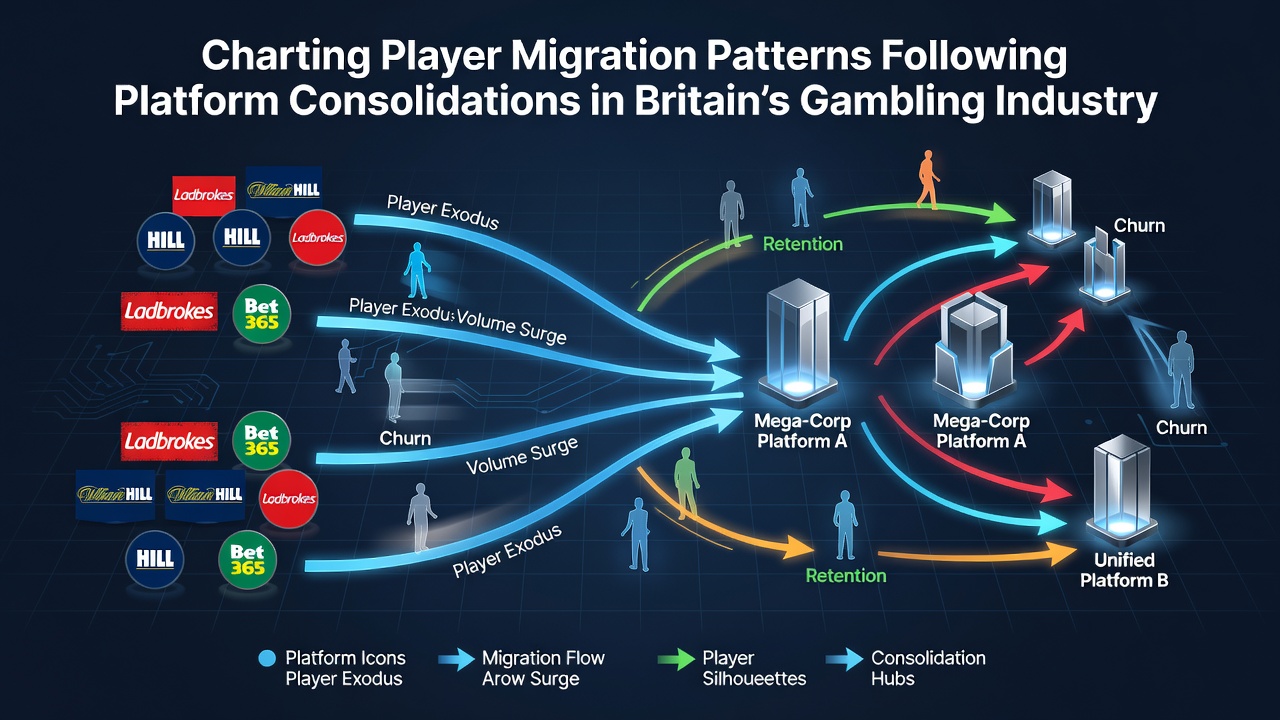
Player Flow Dynamics in the Wake of British Gambling Platform Mergers
Platform consolidations have accelerated across Britain's gambling sector in recent years, and data shows these mergers trigger measurable shifts in where players choose to place their bets. Operators combine resources to meet rising compliance costs while players respond by exploring alternative sites or adjusting their preferred game categories. According to reports from the Australian Gambling Research Centre, similar consolidation waves in other markets have produced consistent patterns of user redistribution rather than outright market contraction.
Figures released in early 2025 indicated that three major mergers involving mid-tier casino and betting platforms reduced the number of active operators by roughly 12 percent. Those who've tracked user behavior note that migration occurs in distinct phases, with an initial spike in account registrations on remaining independent sites followed by a stabilization period as loyalty programs take hold. The process repeats whenever regulatory adjustments coincide with corporate restructuring.
Initial Migration Triggers During Consolidation Events
Consolidations often begin with announcements that one platform will absorb another's user base, and players receive notice that their accounts will transfer or require migration. Research from the University of Nevada's International Gaming Institute reveals that approximately 35 percent of affected users open accounts elsewhere within the first 30 days, while the remainder either pause activity or stay with the merged entity. This split reflects differences in game libraries, bonus structures, and payment speed rather than outright dissatisfaction.
Payment method preferences also shift during these periods because merged platforms sometimes standardize on fewer processors to cut costs. Players accustomed to niche e-wallets or cryptocurrency options frequently move to competitors that retain those features, creating temporary surges in traffic for smaller operators that preserve variety. July 2026 marks the scheduled implementation of updated tax reporting rules that several analysts expect will prompt another round of consolidations, potentially amplifying these same patterns.
Geographic and Demographic Patterns in Player Movement
Observers tracking IP data and registration trends have identified clear regional differences in how players respond. Users in urban centers with higher broadband penetration tend to sample multiple platforms simultaneously, whereas those in rural areas consolidate their activity onto one or two sites that offer reliable mobile performance. Age demographics further segment the flow, with younger cohorts showing greater willingness to try new interfaces while older groups favor operators that maintain familiar layouts post-merger.
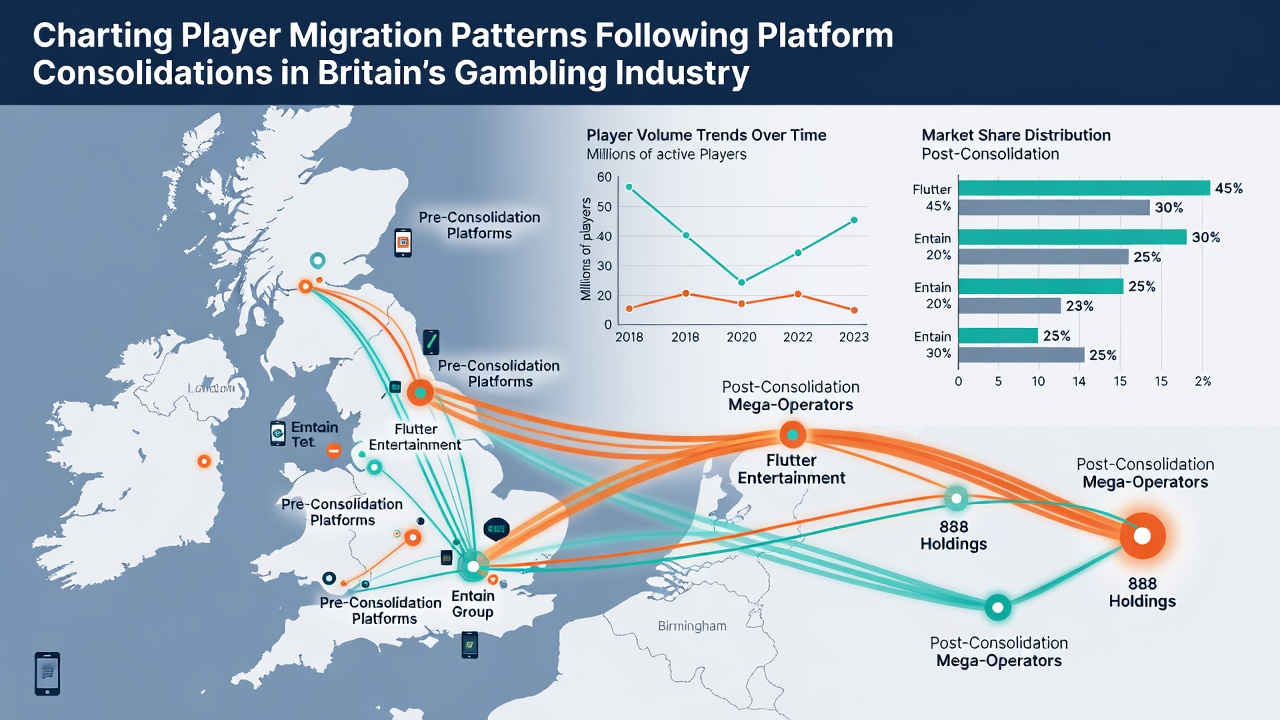
Take one analysis conducted by the Canadian Centre on Substance Use and Addiction that examined cross-border data from multiple jurisdictions. The study found that players who previously split time between casino and sports betting products often narrow their focus after consolidation, channeling activity toward whichever product category the surviving platform emphasizes most heavily. This narrowing effect appears strongest when bonus terms change abruptly during the transition.
Longer-Term Retention and Platform Loyalty Shifts
After the first six months, retention metrics stabilize according to industry datasets, yet overall market share continues to redistribute. Platforms that invest in localized promotions and faster withdrawal processing capture a disproportionate share of the migrating users. Those who've examined loyalty program data note that reward structures emphasizing cashback over free spins retain users more effectively when multiple consolidations occur in quick succession.
Evidence suggests that players rarely abandon the sector entirely during these transitions. Instead they redistribute activity across remaining operators, sometimes increasing total session frequency as they explore new interfaces. The ball remains in the operators' court to retain that activity through consistent product updates rather than relying on inherited user bases.
Conclusion
Platform consolidations reshape Britain's gambling landscape through predictable yet segmented player movements that researchers continue to document across multiple merger cycles. Data from academic and regulatory sources outside the UK shows these patterns persist regardless of jurisdiction, driven by changes in product emphasis, payment options, and promotional structures. As July 2026 approaches and further regulatory updates take effect, tracking these flows will remain essential for understanding how the market reallocates user activity among surviving platforms.